
A familiar activity
A shared task offers a way to take part without requiring a child to tell a personal story. Participation should suit the child, the setting and the level of supervision available.
Child wellbeing
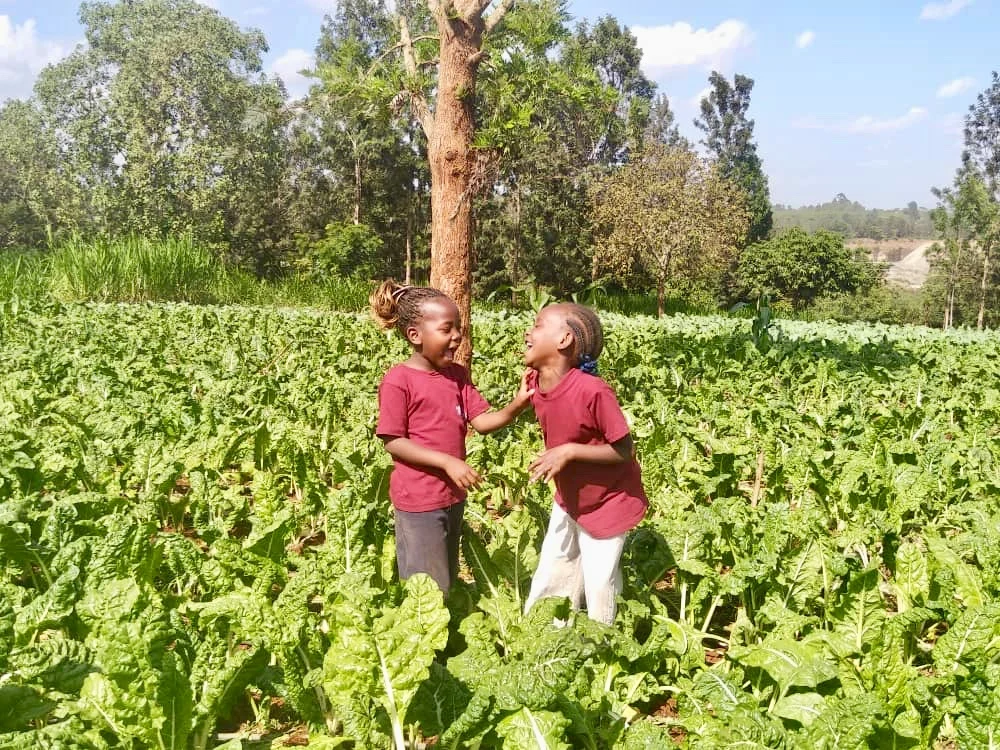
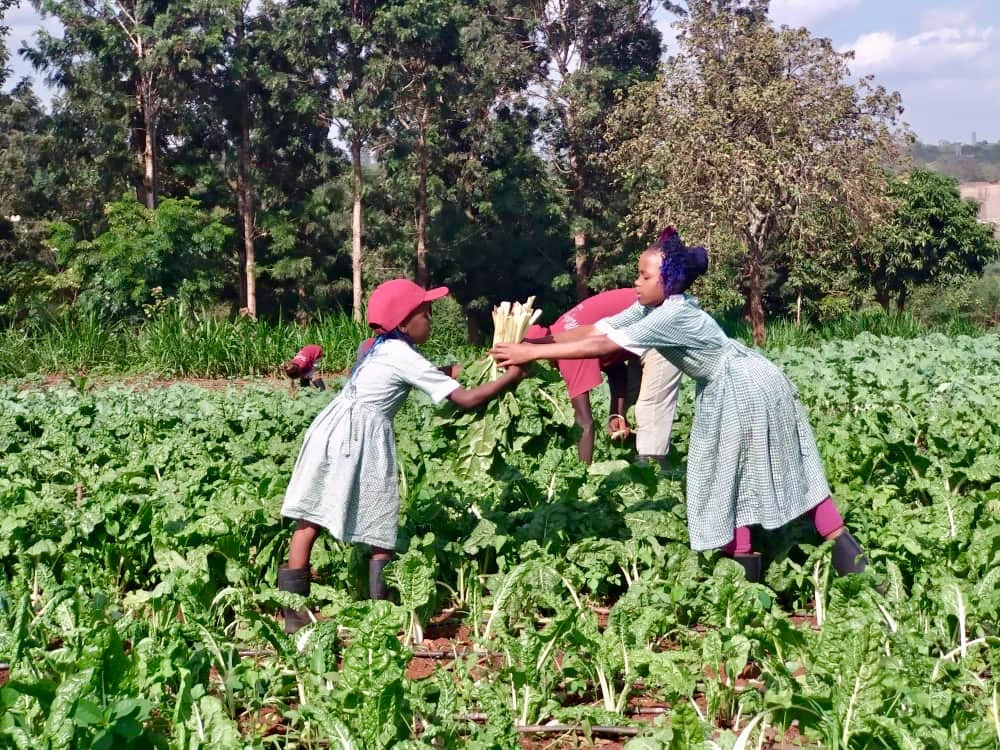
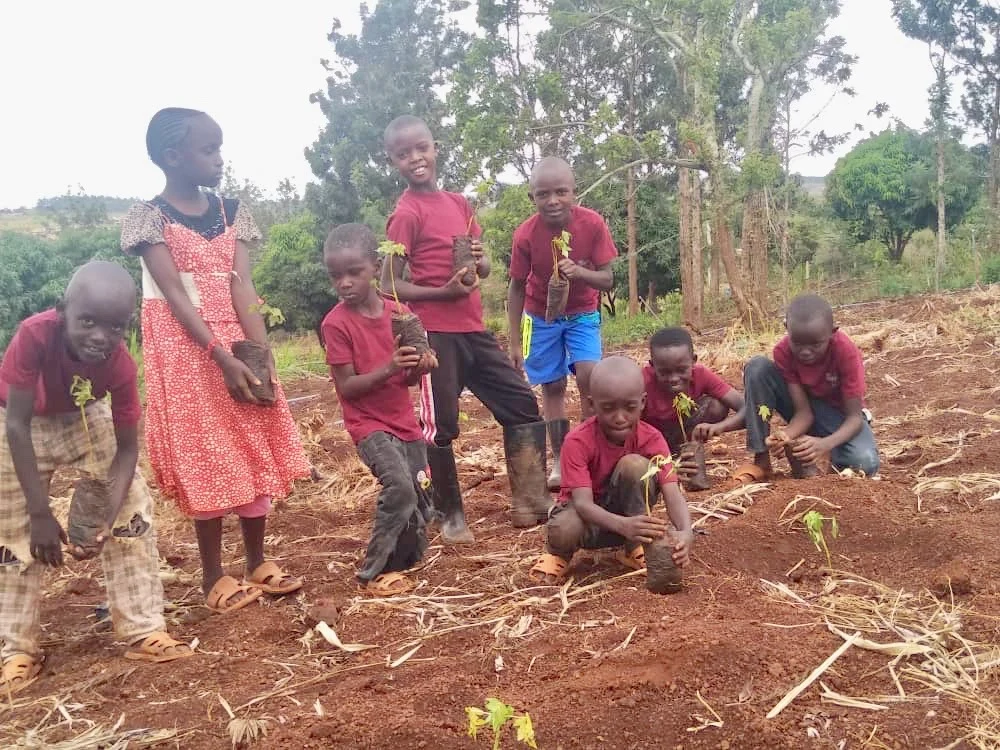
Garden activities give children a shared task and time with classmates and trusted adults.
The garden setting
Planting, watering and caring for a garden give children something concrete to do together. The work creates room for questions, shared responsibility and small achievements that can be seen over time.
Maggie Kay Foundation’s wellbeing model considers how the garden can support belonging and connection alongside its role in food production and learning. Children’s participation, dignity and choice remain central.
Our approach
A shared task offers a way to take part without requiring a child to tell a personal story. Participation should suit the child, the setting and the level of supervision available.
Teachers and other responsible adults help shape the tone of an activity through patience, clear instructions and respectful boundaries. Listening matters as much as completing the task.
The wider model includes a role for appropriately qualified wellbeing practitioners. Any professional support must be arranged with clear responsibilities, supervision and an understanding of the services actually available.
In the garden
These photographs show garden participation. They do not identify clinical services or individual children’s health experiences.
Care & responsibility
A supportive activity needs clear boundaries. Visitors should work through the host school, respect supervision arrangements and avoid turning personal conversations or photographs into public stories without appropriate permission.
Garden participation is not a substitute for clinical care. Families and institutional partners should ask what support is available at a particular site and how specialist services are arranged.
Read child safety & visitor guidanceOur evaluation priorities include participation, children’s experience of belonging, school engagement and the quality of supervision. These are distinct questions and should be measured carefully.
Explore our impact approachWe welcome educators, qualified wellbeing professionals and researchers who can help plan activities, training and evaluation.