
Children face hunger, stress and barriers to support
Food insecurity, school pressures and emotional challenges can affect learning and wellbeing.
Our Impact
We track participation and are developing measures of nutrition, learning and children’s experience of the garden.
At a glance
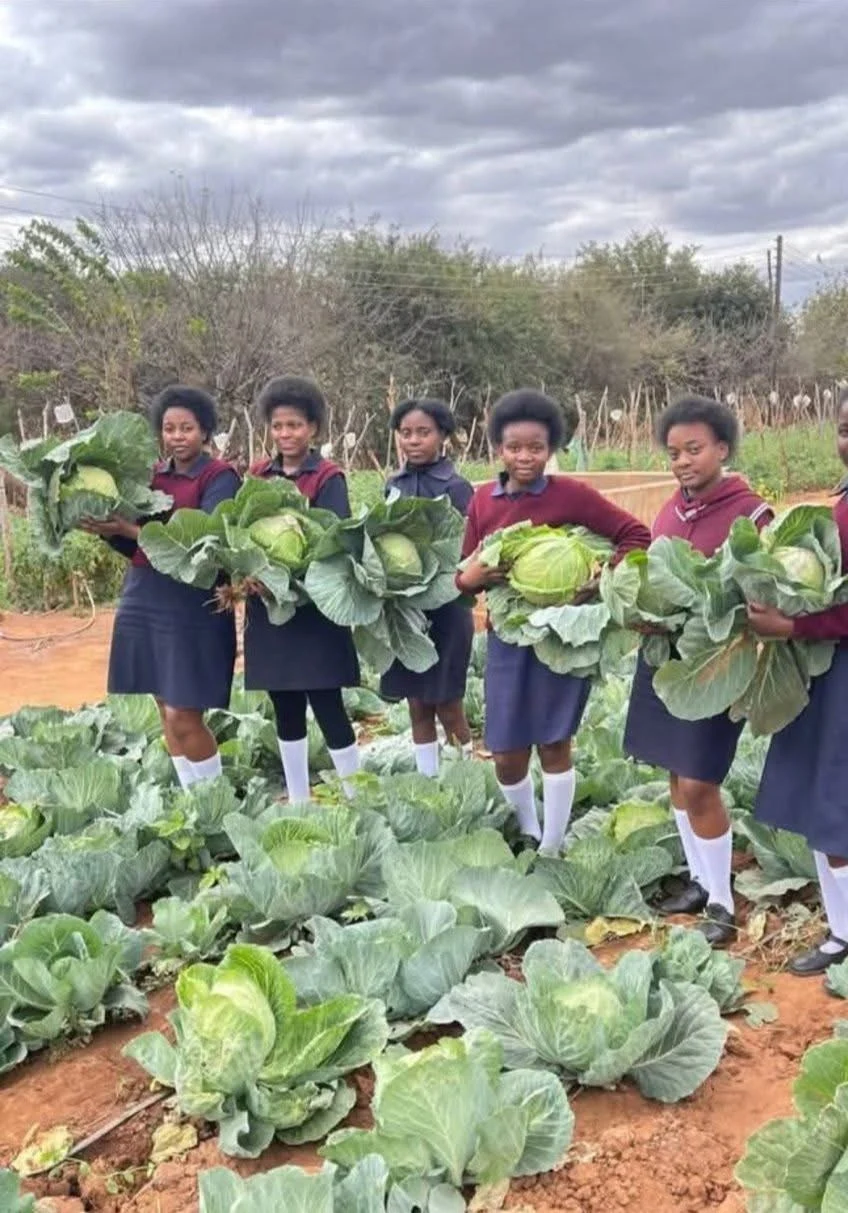
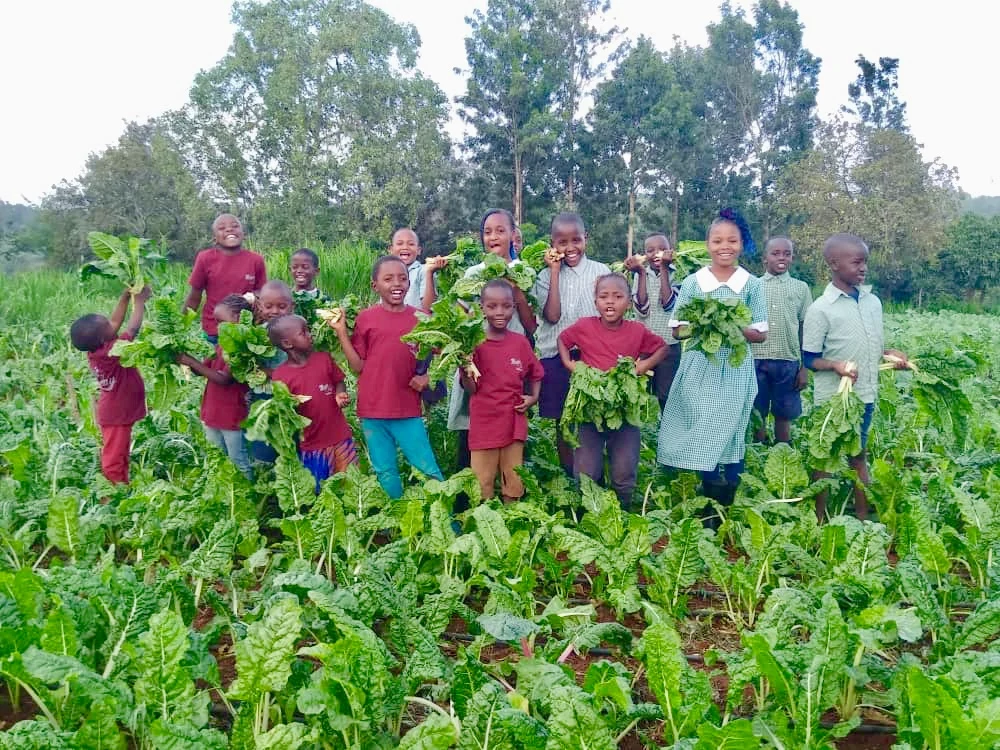
Maggie Kay Foundation has reported reaching more than 36,000 children through its broader school-garden work. The number matters, but so does the experience behind it: children planting, learning, harvesting and participating in a school environment built to support them.
The Foundation has reported reaching more than 36,000 children through its school-garden work. As reporting is updated, MKF is working to pair reach figures with clear time periods and supporting program records.
Garden moments
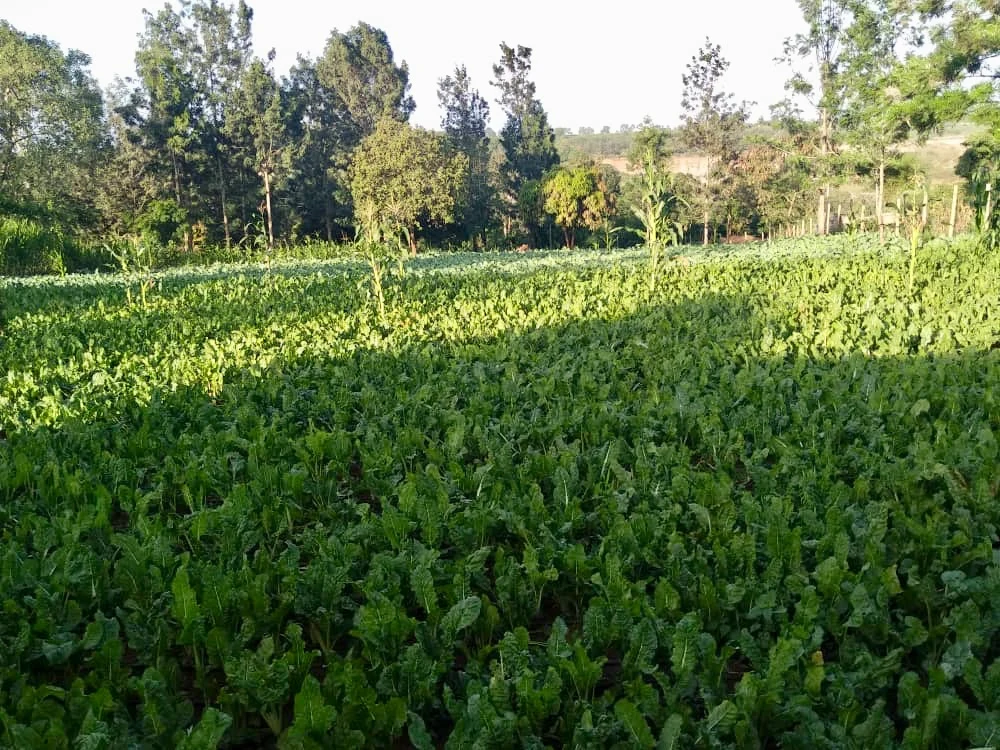
These images document participation and harvests. Our impact framework also asks what changes over time in nutrition, learning and wellbeing.
Measuring Wellbeing
Children, schools, gardens, sessions and communities participating.
Produce, food availability, meal support and diet-related indicators where feasible.
Children's experience of the garden as a supportive and inclusive space.
Engagement with therapists and counselors, with privacy-protective reporting.
Participation, agricultural knowledge, confidence and school engagement.
Supervision, referral pathways, safeguarding practice and feedback systems.
Theory of Change
The garden provides food-growing activities and a place to learn together. We assess participation and learning separately from longer-term changes in wellbeing.
Food insecurity, school pressures and emotional challenges can affect learning and wellbeing.
A familiar outdoor space supports food-growing, activity, routine and trusted relationships.
Children participate in purposeful activity, with clear roles for educators and any professional support arranged for the program.
Children can experience belonging, practical achievement and easier pathways to supportive adults.
MKF aims to strengthen wellbeing, school participation and community resilience over time.
This pathway guides what we pay attention to and what we measure. It helps us learn which parts of the model are working well and where the program needs to improve.
Evidence standards
We distinguish participation—such as children joining garden activities—from longer-term changes in wellbeing. Our evaluation approach seeks to understand what changes, over what period, and how confidently those changes can be linked to the program.
Explore research partnershipsReviewing our work
Gather reliable, proportionate program data.
Safeguard children's privacy and sensitive information.
Examine what is working, for whom, and under what conditions.
Improve program design based on evidence and community feedback.
Share results, limitations and lessons transparently.
Build the evidence with us